
Loredana Nemes
OVEREXPOSED
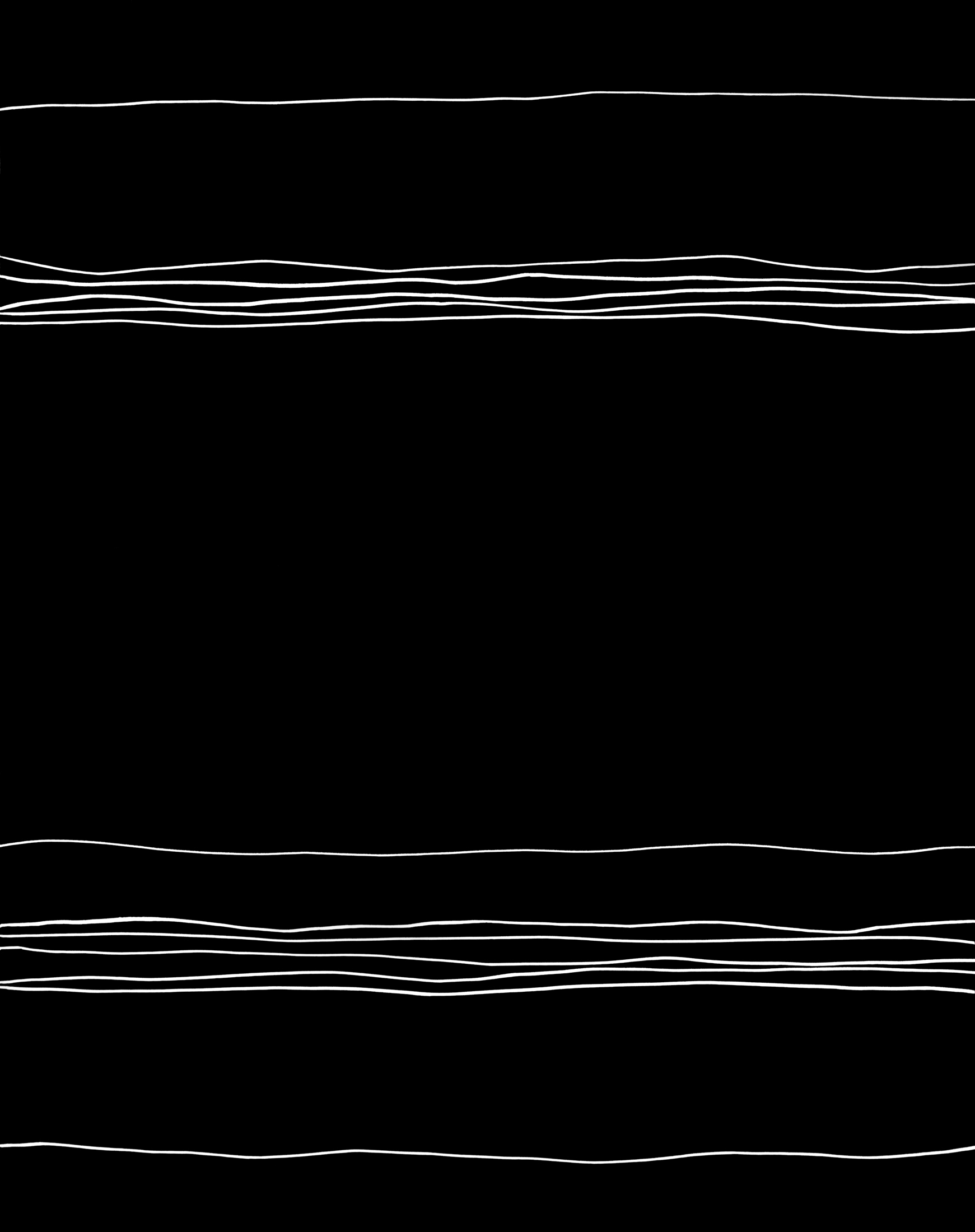
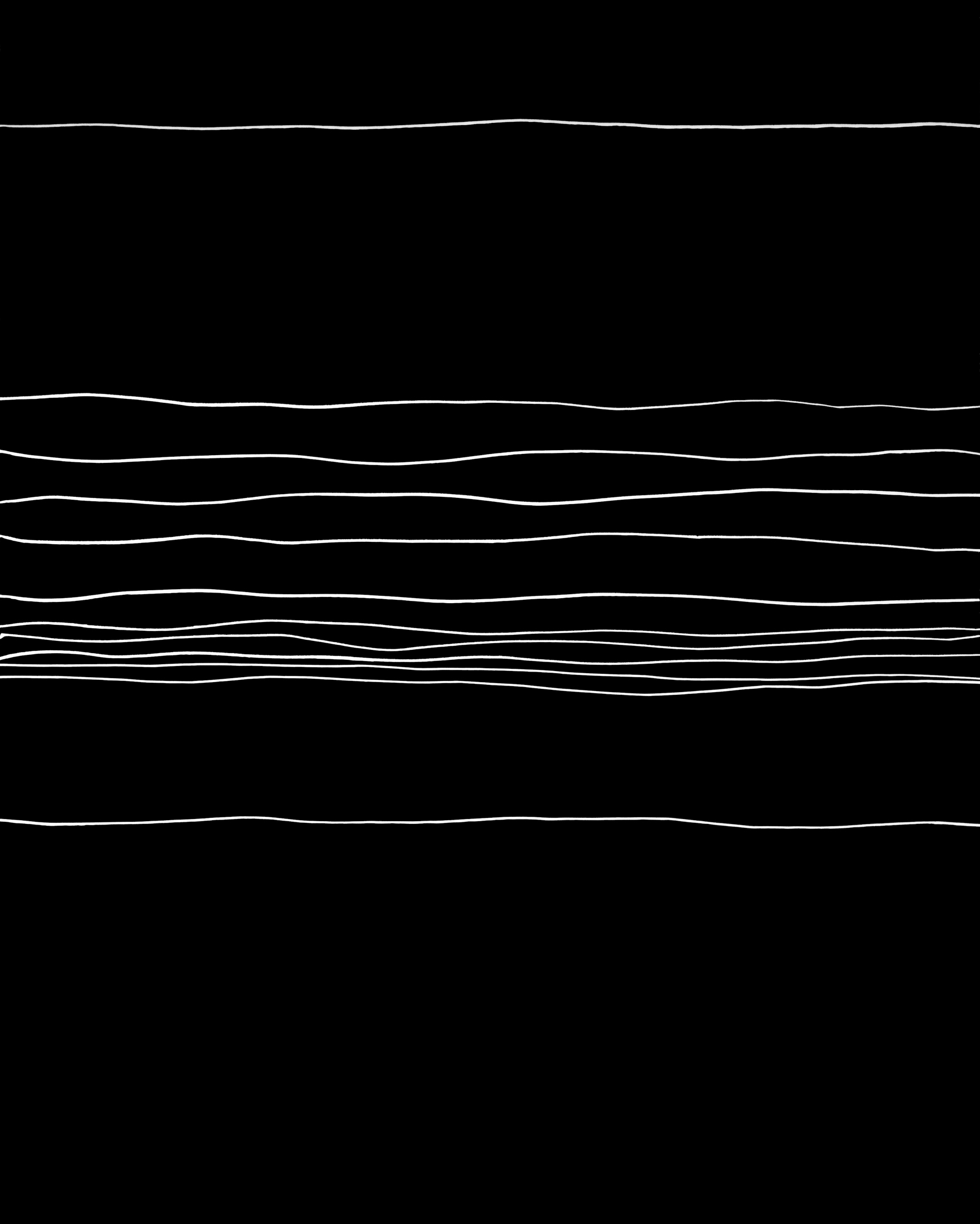
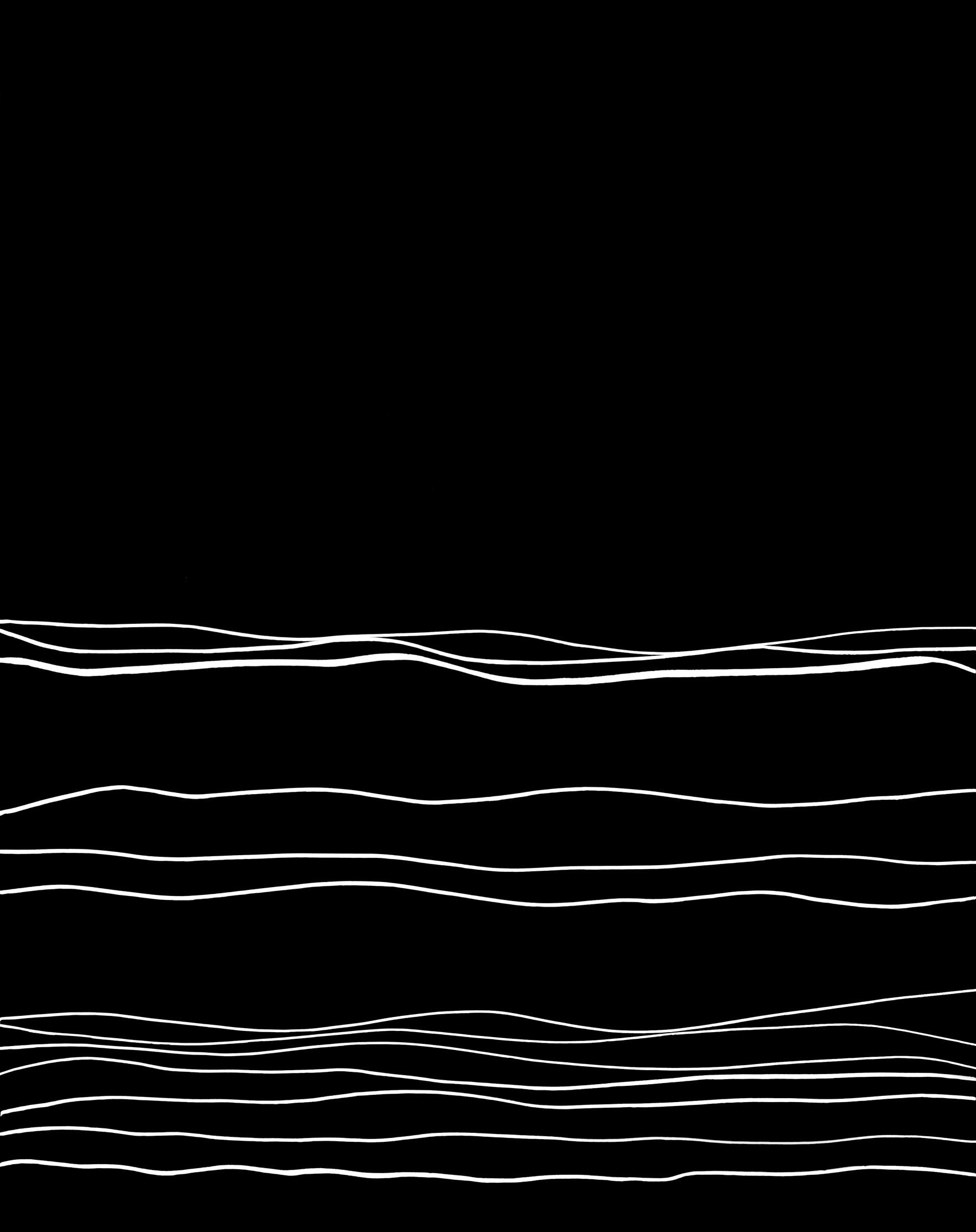
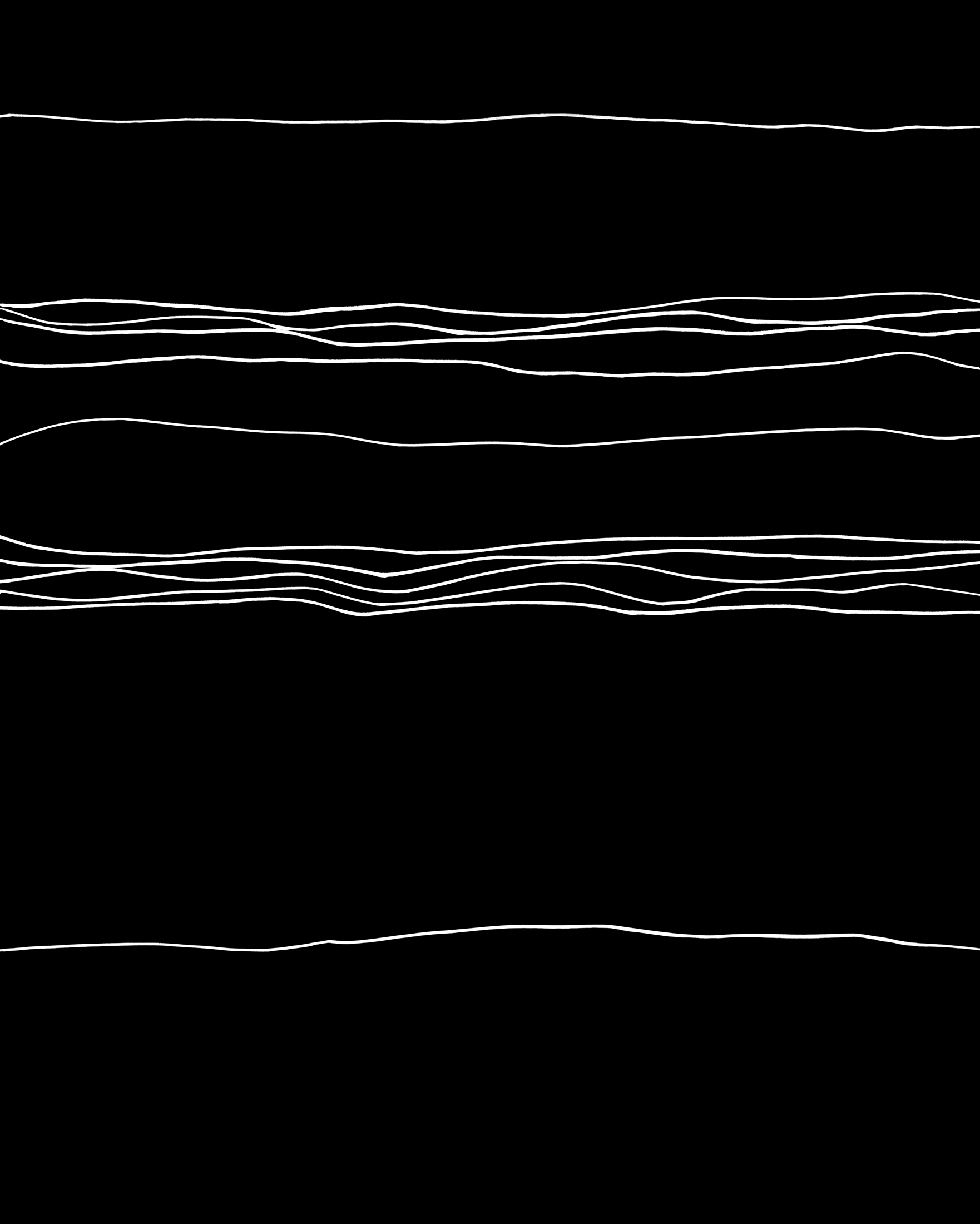
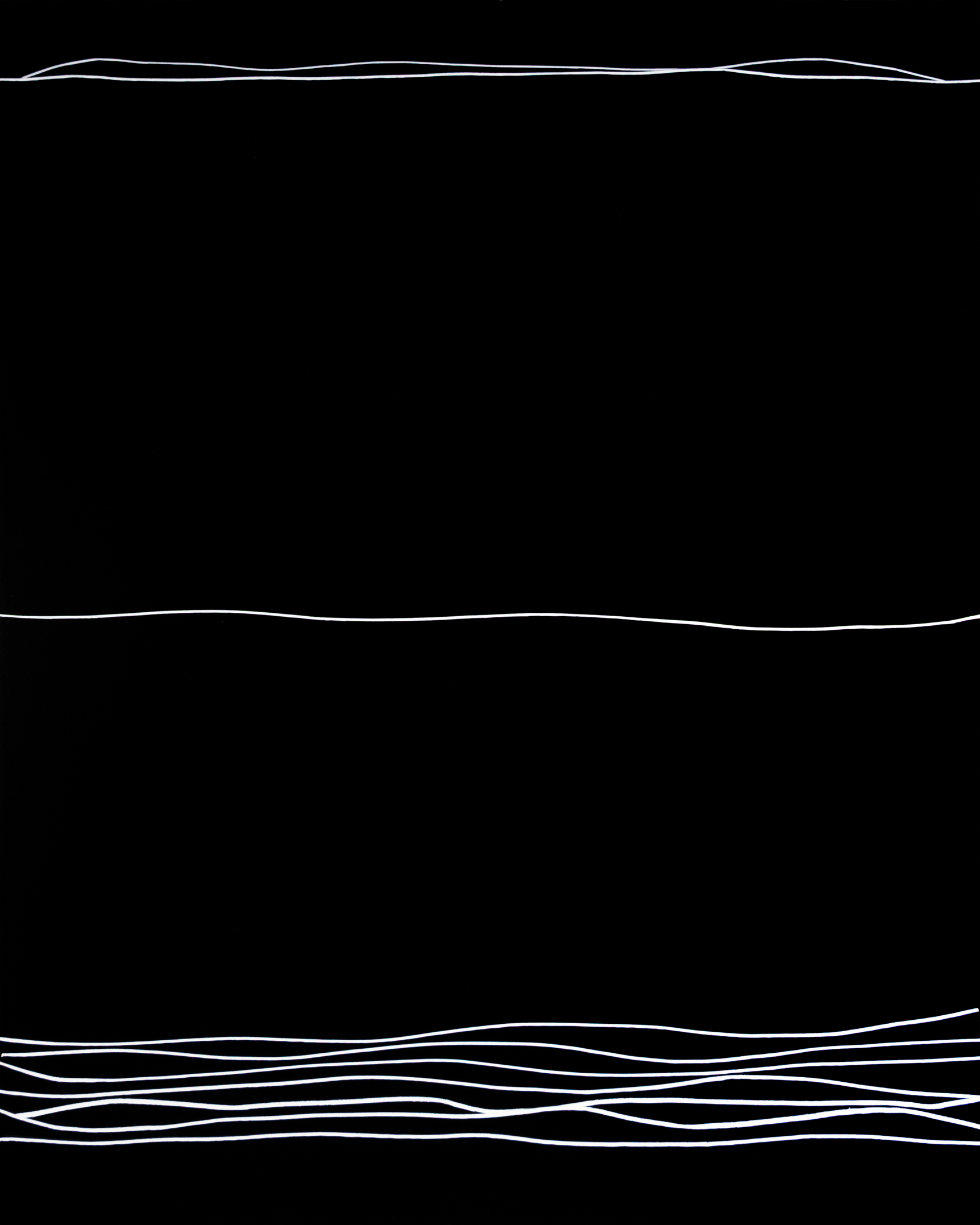
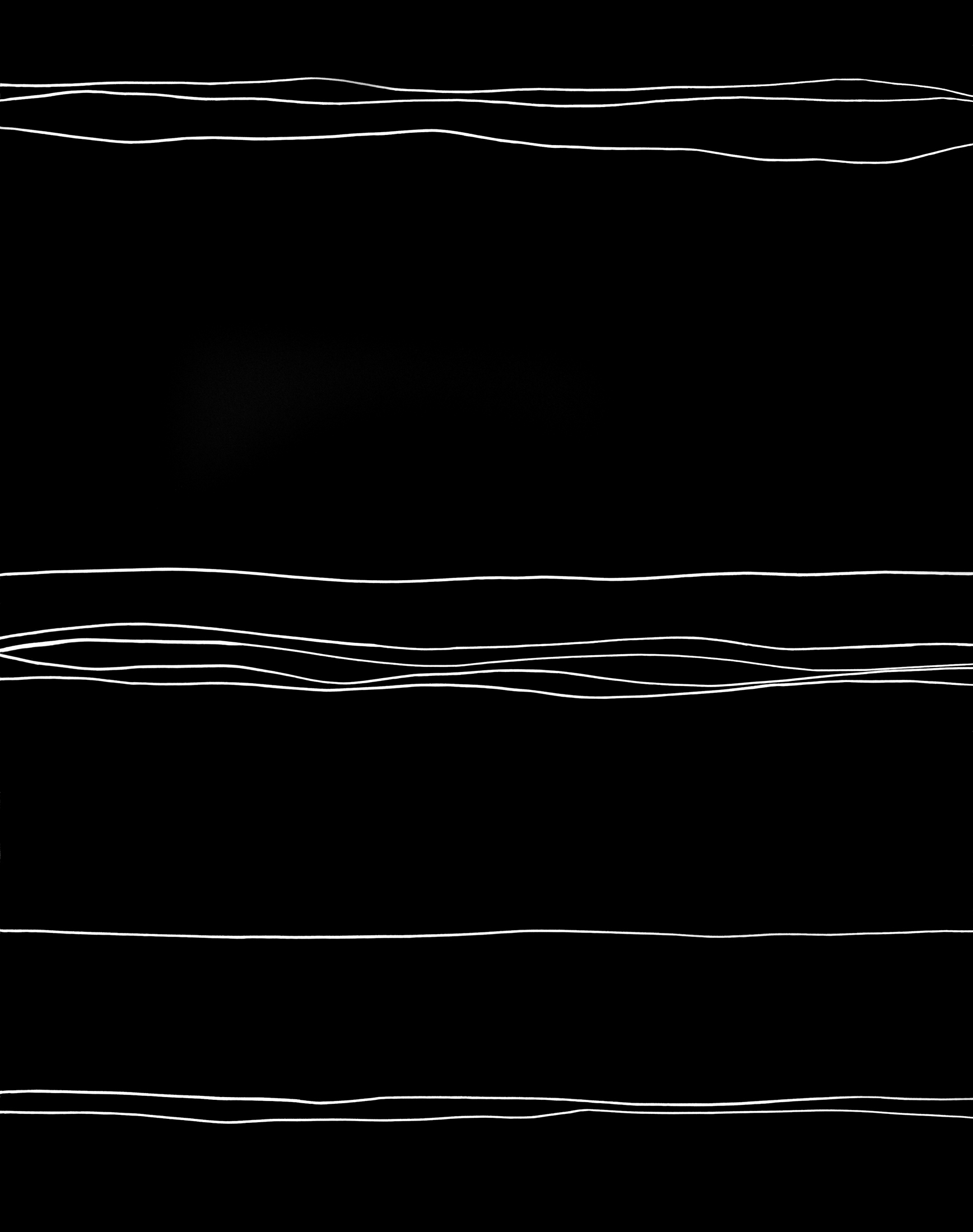
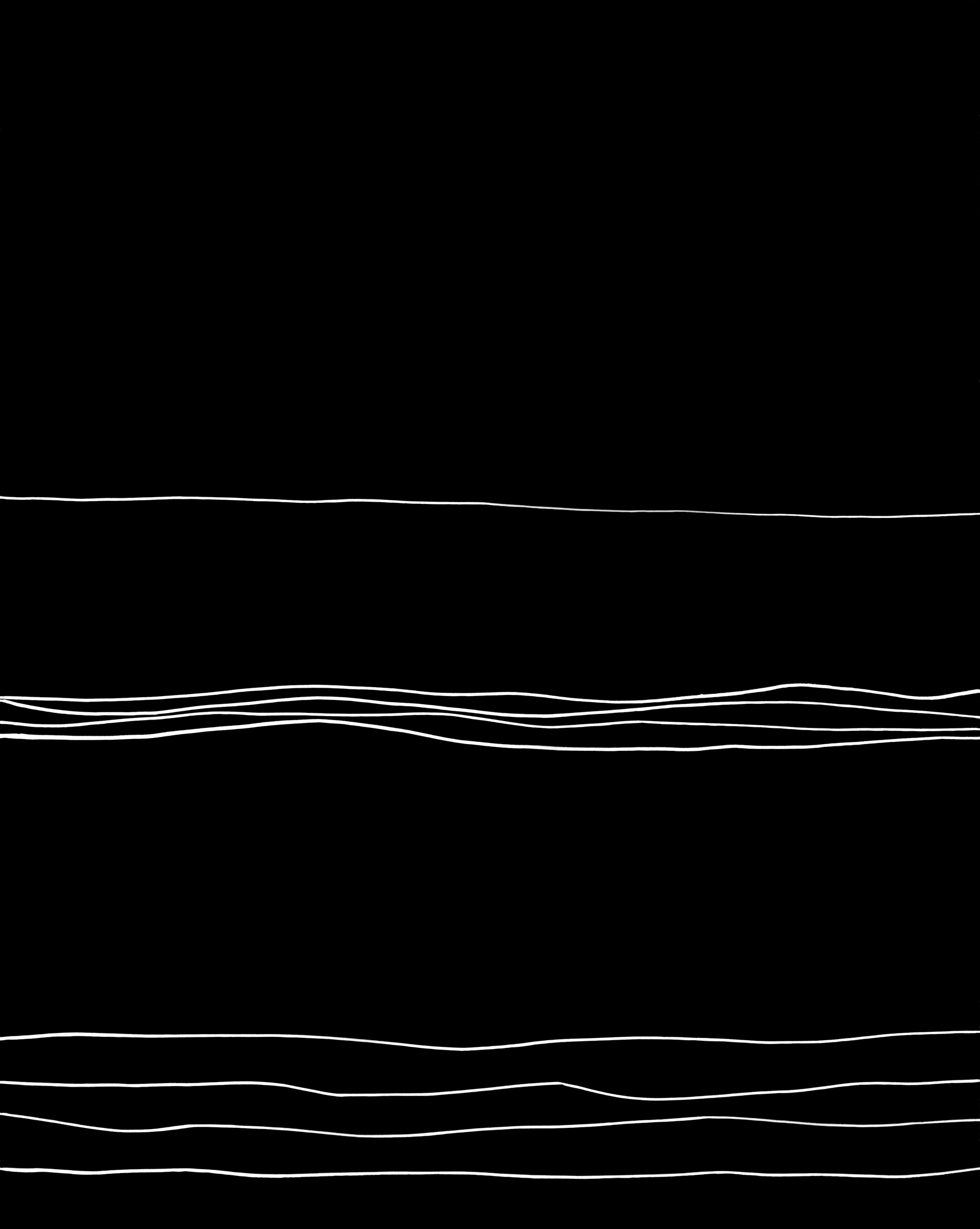
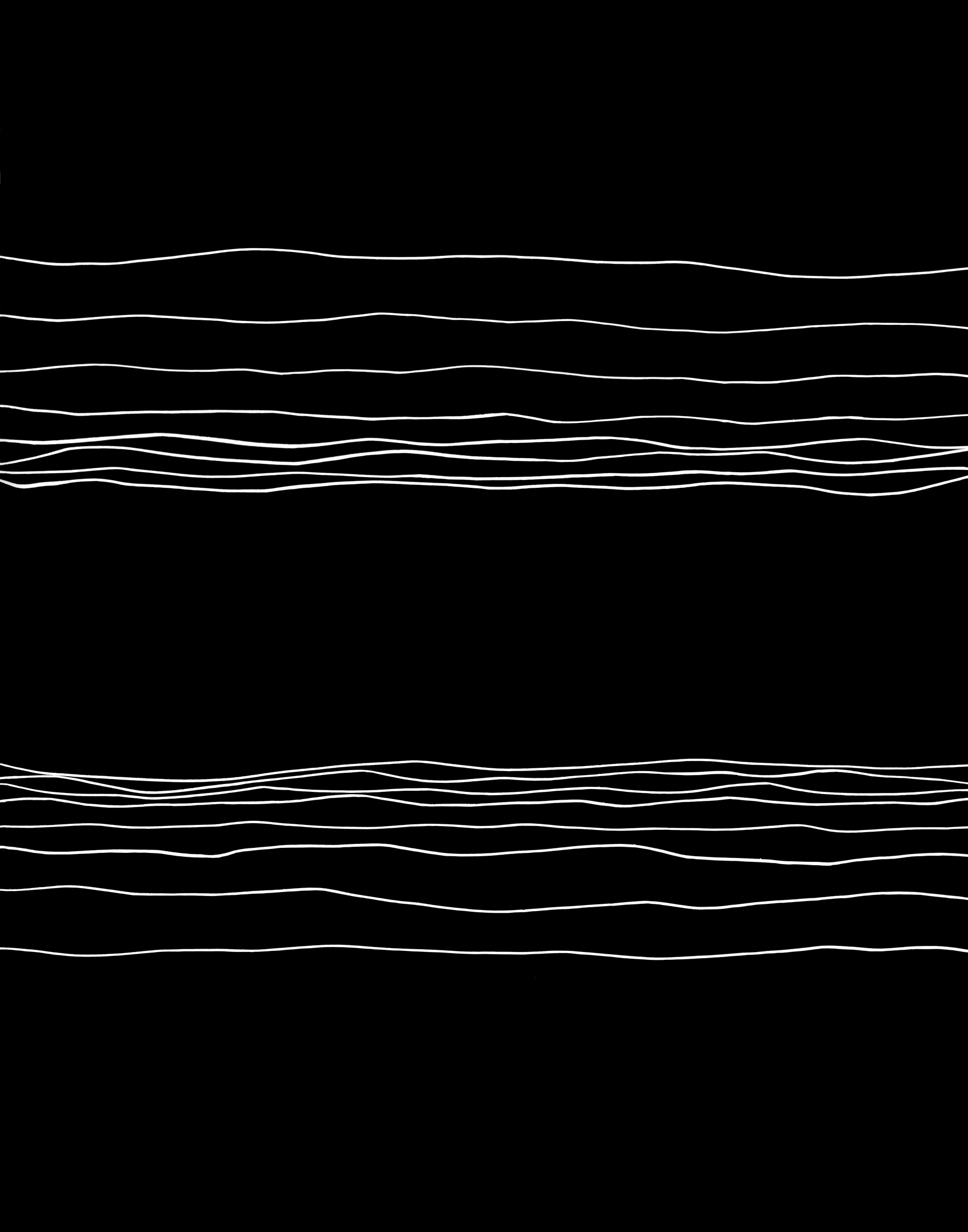
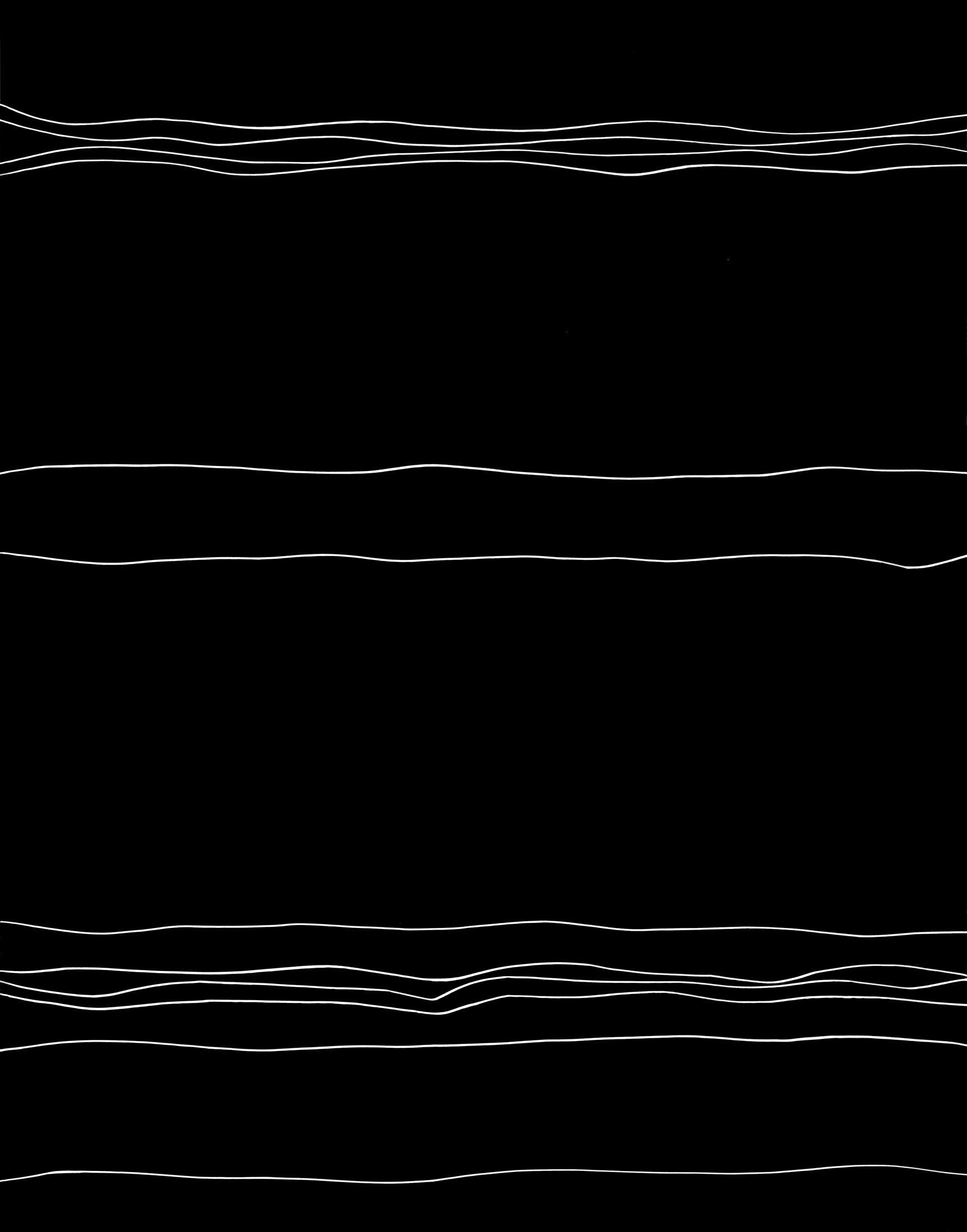
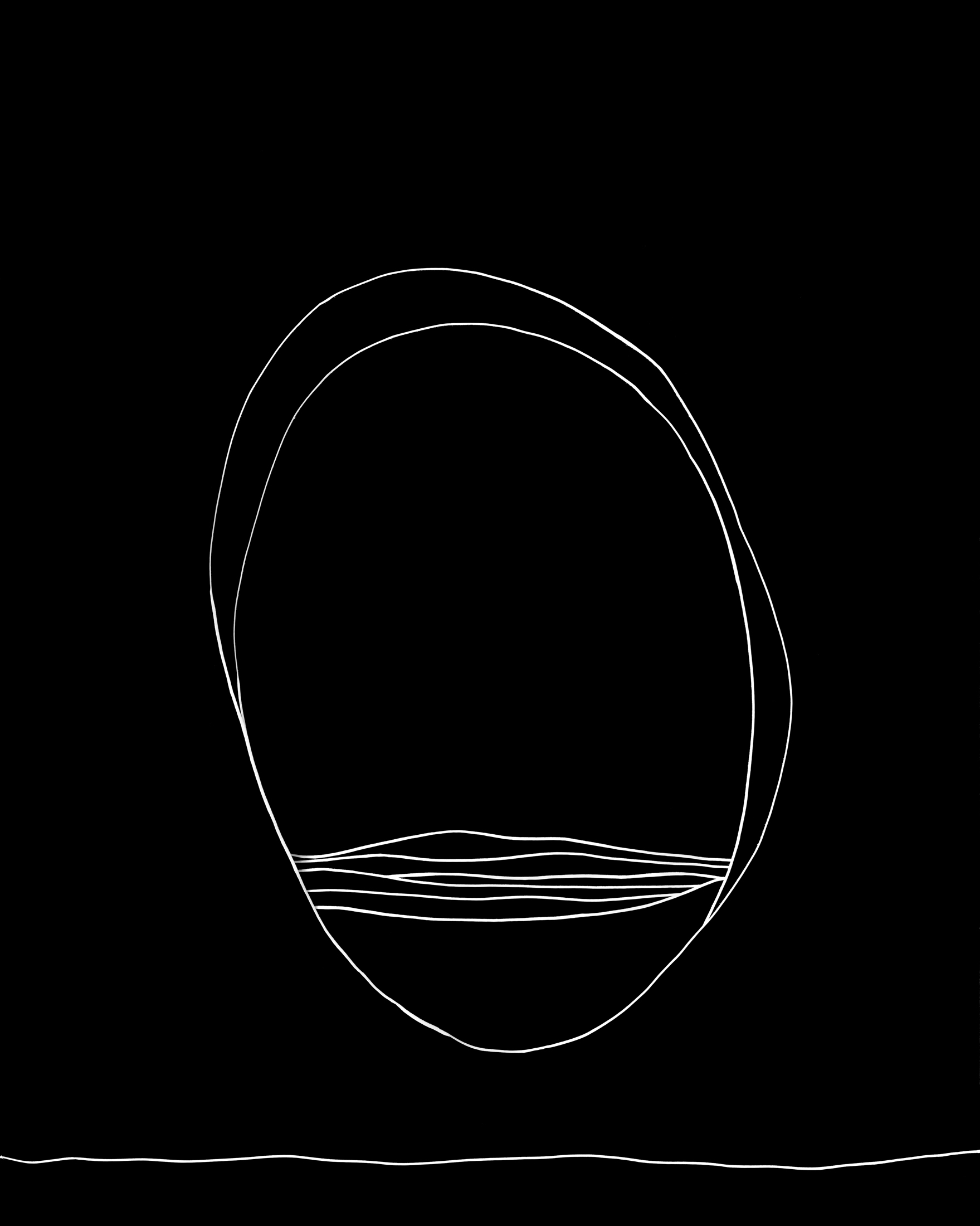
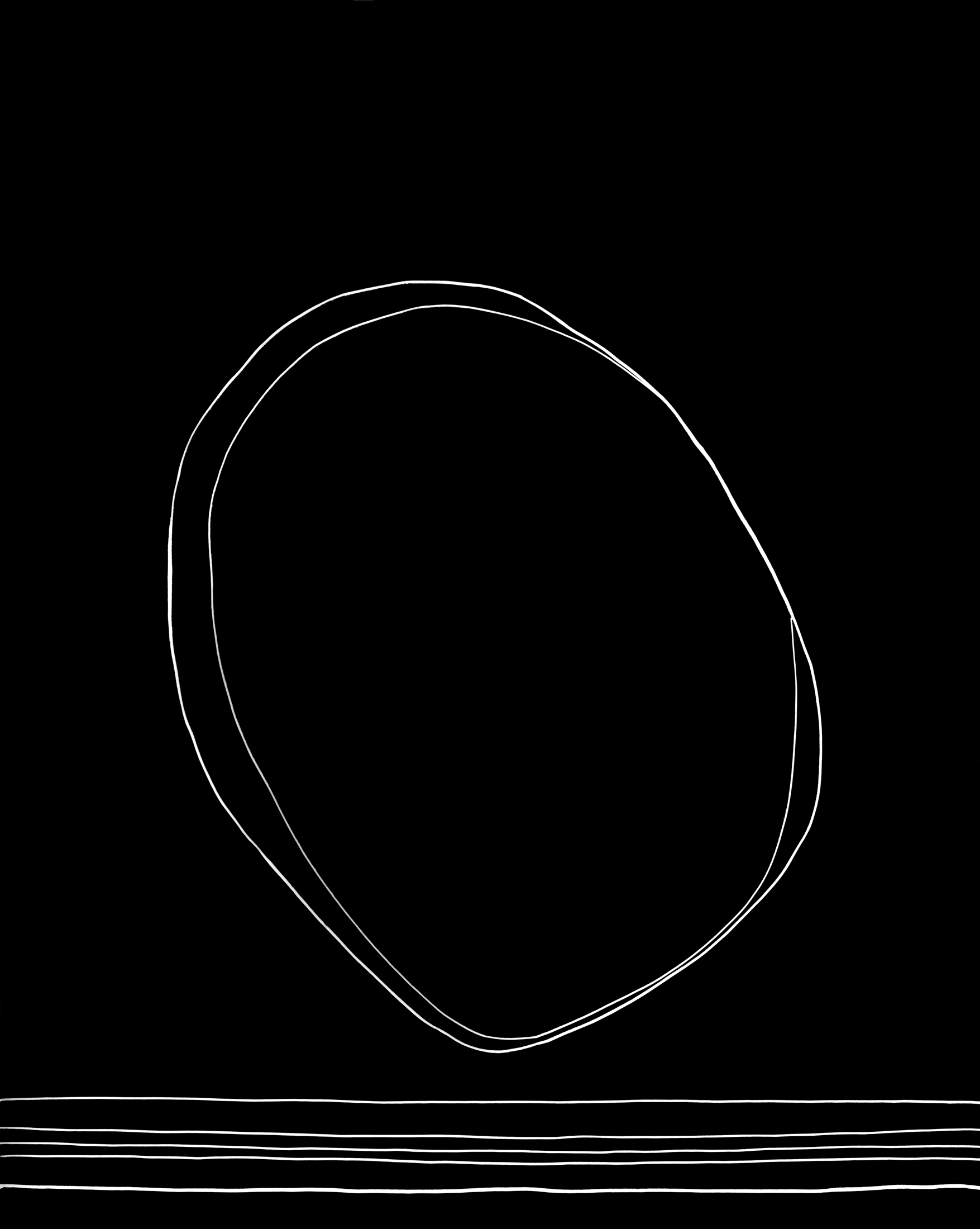
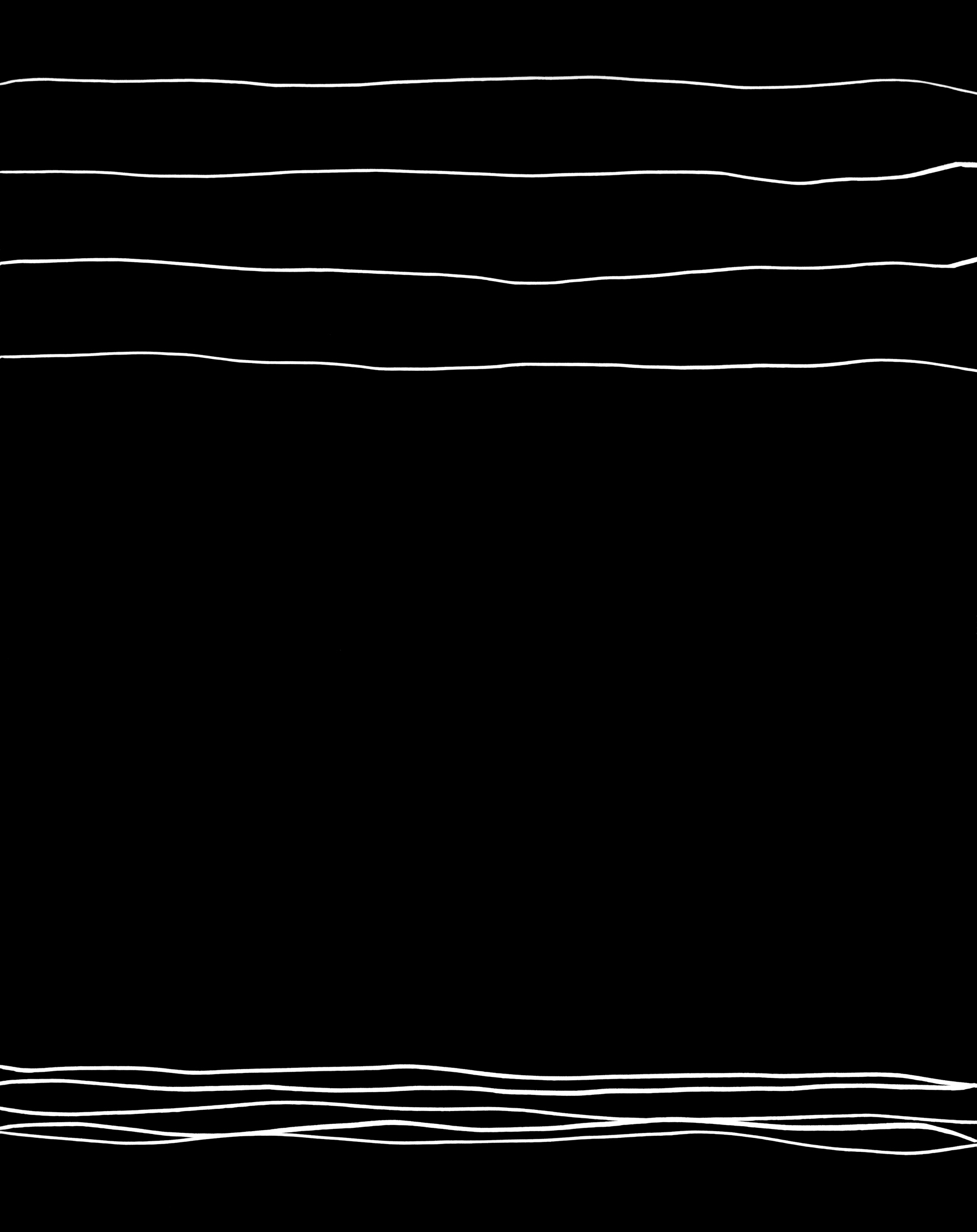
OVEREXPOSED was triggered by the loss of loved ones from my family and circle of friends. Four people died within six months, and the void they left behind was so dark that I kept thinking about overexposed paper. I liked the absurdity of the analogue positive process, in which an abundance of light leads to deep black. So I opened boxes of long-stored AGFA photographic paper, which has not been produced since 2005. I opened them in sunlight and developed these sheets, so that shortly afterwards I had a stack of shiny black photographic paper, which I left lying around for a few months before I knew how I wanted to proceed. Grief is a process and brings about transformation. It confronts us with our own mortality and underlines the fragility of all existence. Rilke wrote, ‘the dead die within us’ and so I carry them with me and live. I was only able to continue working after about nine months: bringing the white into the black with a diagonal cut with a carpet knife, seeing light again, breathing deeply again. The hand cuts, sometimes shaky and weak, sometimes straight and determined, and the breath flows. I am here, I want to stay and dance again.
OVEREXPOSED seems radical, abstract and new. However, when viewed alongside the works in the GRAUBAUM UND HIMMELMEER series, images of beech trees and the sea, the connection and further development become apparent. After years of travelling and collecting the world, I now retreat to my studio, working on images without the world, protected and quiet. As so often, the inspiration for my work comes from Hiroshi Sugimoto, whose works from New York cinemas transform all the images of an entire film into white nothingness. His excess leads to white because he inserts a negative in between, mine to black. The French painter Pierre Soulage, whose long exploration of black has led to monochrome paintings that change and vibrate when you walk past them, was also an inner dialogue partner for me. The way his ultra-black reflects light, refracting and amplifying it, has always fascinated me.
My small format in this series (30.2 x 24 cm) contains the right ratio of black surface to white line, which swings and resonates with the movement of the hand.
OVEREXPOSED a été inspiré par la perte d’êtres chers au sein de ma famille et de mon cercle d’amis. Quatre personnes sont décédées en l’espace de six mois, et le vide qu’elles ont laissé était si sombre que je ne cessais de penser au papier surexposé. J’aimais l’absurdité du procédé analogique positif, dans lequel un excès de lumière conduit à un noir profond. J’ai donc ouvert des boîtes de papier photographique AGFA stockées depuis longtemps, un produit qui n’est plus fabriqué depuis 2005. Je les ai ouvertes à la lumière du soleil et j’ai développé ces feuilles, de sorte que peu après, je me suis retrouvée avec une pile de papier photographique noir brillant, que j’ai laissée traîner pendant quelques mois avant de savoir comment je voulais procéder. Le deuil est un processus qui entraîne une transformation. Il nous confronte à notre propre mortalité et souligne la fragilité de toute existence. Rilke a écrit : « Les morts meurent en nous », et c’est ainsi que je les porte en moi et que je vis. Je n’ai pu reprendre le travail qu’au bout de neuf mois environ : faire entrer le blanc dans le noir par une entaille diagonale au cutter, revoir la lumière, respirer à nouveau profondément. Les entailles à la main, tantôt tremblantes et faibles, tantôt droites et déterminées, et le souffle s’écoule. Je suis là, je veux rester et danser à nouveau.
OVEREXPOSED semble radical, abstrait et novateur. Cependant, lorsqu’on le met en parallèle avec les œuvres de la série GRAUBAUM UND HIMMELMEER, ces images de hêtres et de la mer, le lien et l’évolution qui s’ensuivent apparaissent clairement. Après des années passées à voyager et à collecter le monde, je me retire désormais dans mon atelier, où je travaille sur des images sans le monde, à l’abri et dans le calme. Comme souvent, l’inspiration de mon travail vient de Hiroshi Sugimoto, dont les œuvres réalisées dans des cinémas new-yorkais transforment toutes les images d’un film entier en un néant blanc. Son excès mène au blanc parce qu’il insère un négatif entre les images, le mien au noir. Le peintre français Pierre Soulages, dont la longue exploration du noir a abouti à des peintures monochromes qui changent et vibrent lorsque l’on passe devant, a également été pour moi un interlocuteur intérieur. La façon dont son ultra-noir reflète la lumière, la réfractant et l’amplifiant, m’a toujours fasciné. Mon petit format dans cette série (30,2 x 24 cm) contient le bon rapport entre surface noire et ligne blanche, qui oscille et résonne avec le mouvement de la main.
